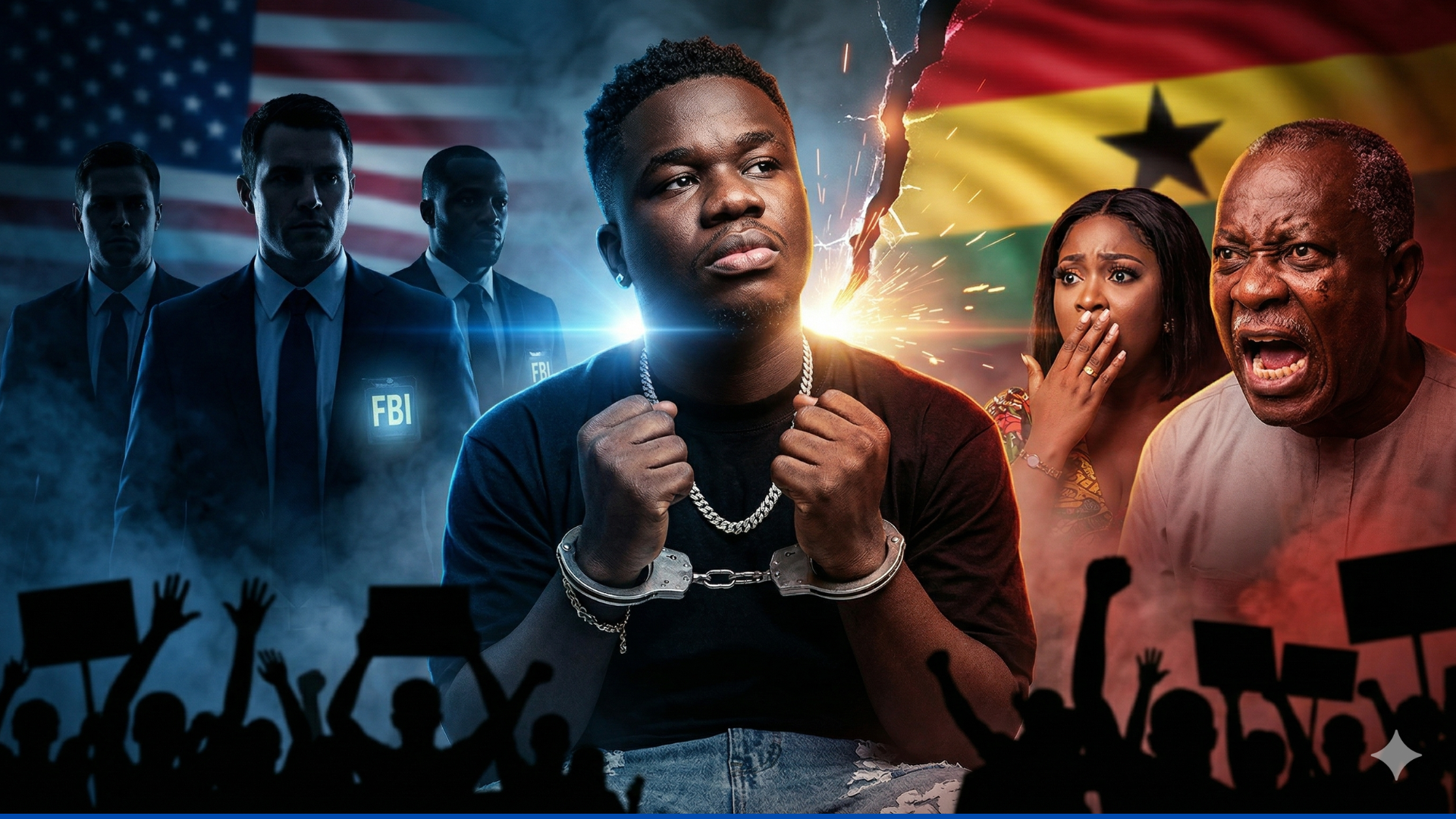
Ghana is currently gripped by a growing wave of tension and public emotion following the arrest of businessman and entrepreneur Abu Trica, a case that is quickly shifting from a legal matter into a national conversation.
Over the past few weeks, influential voices have stepped forward to demand his release, including dancehall star Shatta Wale and outspoken lawyer Oliver Barker-Vormawor. Adding to the pressure, Abu Trica’s baby mama has also taken a public stand, leading calls from the ground and drawing attention to what supporters describe as an unjust situation.
Abu Trica, known in business circles rather than the music industry, was arrested about four months ago in a joint operation involving the FBI and a Ghanaian state institution. He is facing charges in the United States related to fraud and conspiracy to commit wire fraud. Early reports suggested the case involved as much as $8 million, a figure that quickly shaped public perception. However, his legal team has since challenged that narrative, insisting that the actual amount connected to him is just $13,000 — a significant difference that has raised eyebrows and intensified debate.
The case took a dramatic turn in court when a judge ruled that Abu Trica should be extradited to the United States. Despite that decision, his lawyers have been granted a 15-day window to appeal, a development that now sits at the heart of the unfolding tension. Oliver Barker-Vormawor has been particularly vocal, arguing that the extradition lacks a solid legal foundation and does not align with the terms of the existing treaty.
Outside the courtroom, the issue has taken on a life of its own. During a recent performance at a Gomoa Easter event, Shatta Wale used his platform to openly call for Abu Trica’s release, turning entertainment into advocacy and pushing the conversation even further into the public space. That moment appeared to energize supporters, especially in Swedru, where protests have since gathered momentum.
On the streets, emotions are raw. Groups of young people have staged demonstrations both in Swedru and around court premises in Accra, insisting that Abu Trica is not the figure being portrayed in the allegations. Many describe him as someone who has supported and uplifted others, and they are now demanding that authorities reconsider the process.
What makes this case particularly striking is how quickly it has evolved beyond the courtroom. It now sits at the intersection of law, public perception, and influence, with each development drawing stronger reactions from both supporters and critics. As the appeal window continues to run, the pressure is mounting, and the outcome remains uncertain.
For now, the country watches closely, aware that the next decision could either calm the tension or deepen an already heated national debate.